


Prince Harry Reveals He ‘Slipped into Depression’ for 2 Weeks After Moving to Canada with Meghan Markle and Prince Archie
Prince Harry Reveals He ‘Slipped into Depression’ for 2 Weeks After Moving to Canada with Meghan Markle and Prince Archie

Meredith KileThu, October 8, 2026 at 11:15 AM UTC
0
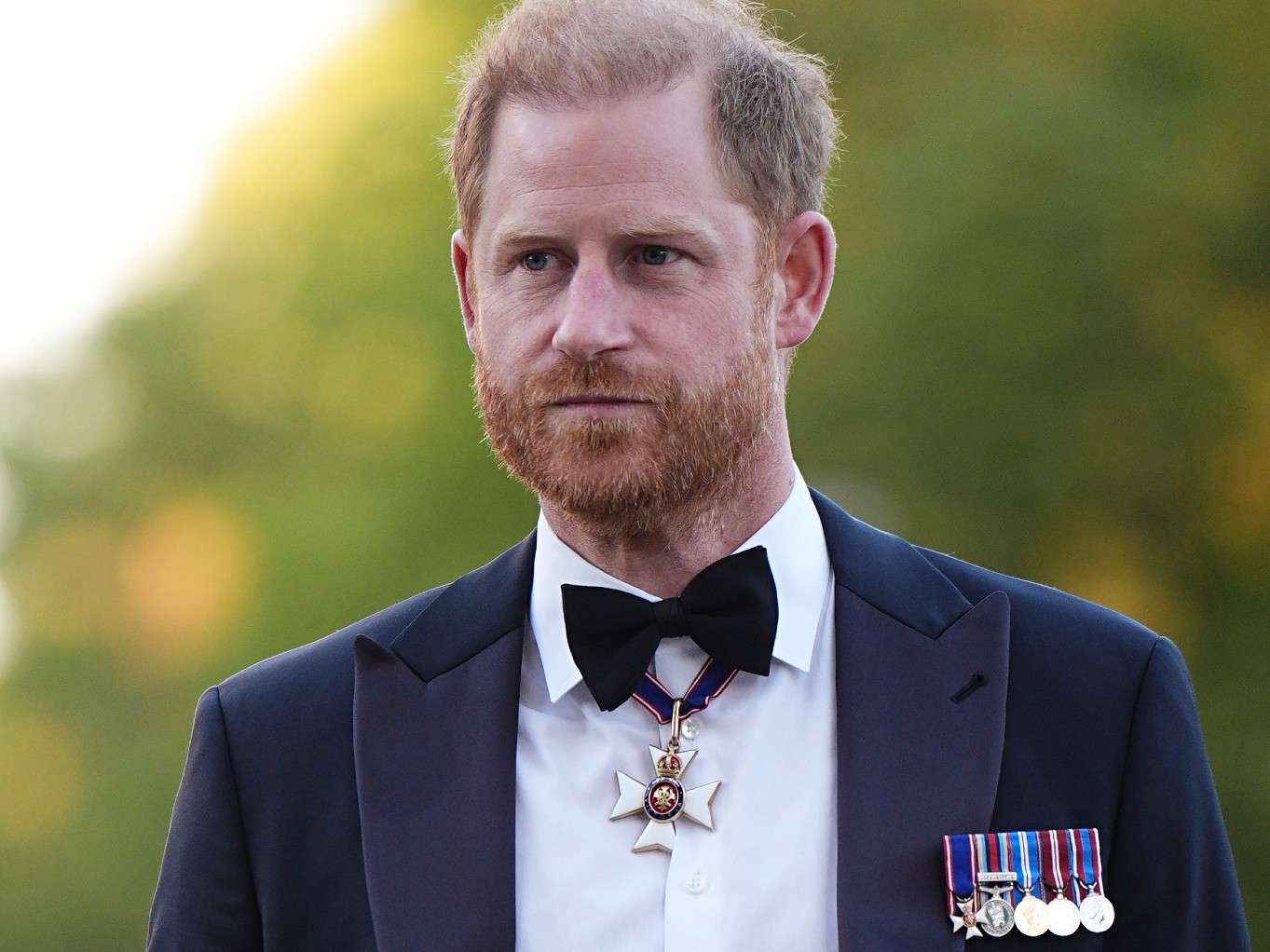
Prince Harry attends the Invictus Games Foundation’s inaugural Invictus Spirit Awards in London on September 17, 2026.Credit: Getty Images -
Prince Harry reveals that he experienced a two-week period of depression after moving to Canada with Meghan Markle and their son, Prince Archie, in 2019
The Duke of Sussex recalls an “adrenaline crash” after years of living with stress and unresolved grief
In a new MasterClass, Harry also discusses panic attacks, the death of Princess Diana and his journey toward healing
Prince Harry is opening up about a difficult period after moving to Canada with Meghan Markle and their young son, Prince Archie.
In a deeply personal new MasterClass, out Oct. 8, the Duke of Sussex, 42, recalls experiencing an “adrenaline crash” within days of arriving in Canada in late 2019, after years of living in what he describes as a stressful environment.
“Being in Canada, away from the stressful environment where presumably my body was just pumped full of adrenaline, within two or three days, I experienced this adrenaline crash, something that I’d never experienced before,” Harry says.
“It was as if I needed stress in order to get the adrenaline to make my brain function because I became useless around the house,” he continues. “I actually slipped into depression for about two weeks and I felt like I couldn’t function without adrenaline.”
Harry and Meghan, who welcomed Archie in May 2019, spent the end of that year in Canada with their infant son. In January 2020, the couple announced their intention to step back as senior working members of the British royal family.
Harry recalls that the move was meant “to get some space away from everything just to be able to think.”
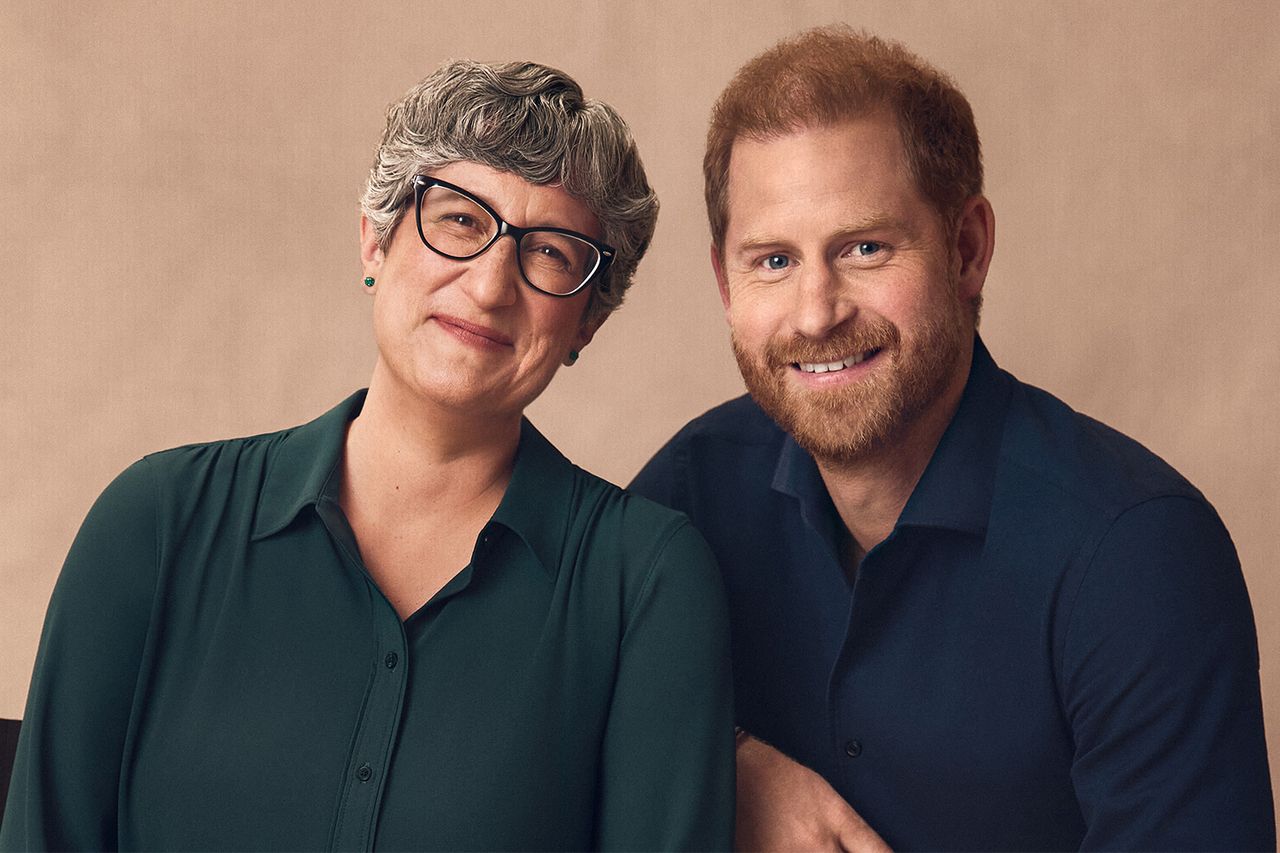
Dr. Mary-Frances O’Connor and Prince HarryCredit: Courtesy of MasterClass
The revelation comes in Redefining Grief: Building Resilience Through Loss, a new MasterClass in which Harry joins neuroscientist Dr. Mary-Frances O’Connor to explore the effects of grief on the brain and body through his own experience of losing his mother, Princess Diana, at age 12.
PEOPLE has learned that MasterClass approached Harry last year about developing a class centered on grief. He filmed the program in California early this summer, though not at his Montecito home. Released ahead of World Mental Health Day on Oct. 10, the class also benefits two bereavement charities, Comfort Zone Camp and Scotty’s Little Soldiers, a longtime cause of Harry’s.
“Grief is physiological as well as emotional, and what we know from research is that there are very common responses to the loss of someone important in our life,” O’Connor says in the episode.
For Harry, the experience in Canada followed years of struggling with the grief of losing Princess Diana, who died in a Paris car crash in 1997.
“For 15, 20 years, when I was being asked, ‘Are you okay?’ My response was, ‘I’m fine.’ It was numbness, emotional shutdown,” Harry explains. “And without knowing it, adrenaline was pushing me, was driving me.”
“It was the driving force of what took me to joining the military at the age of 20. It was the perfect distraction. I couldn’t really think about much else apart from the task at hand,” he continues.
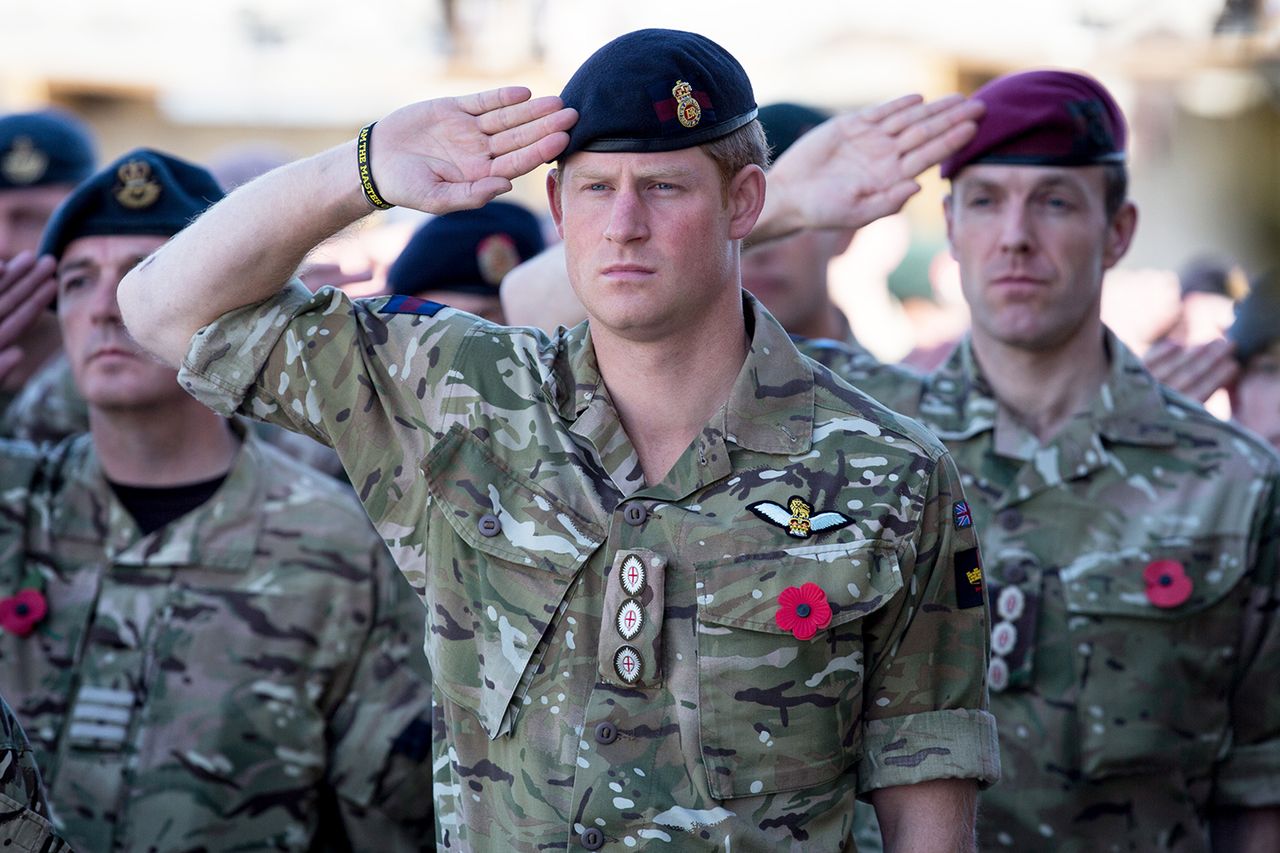
Prince Harry salutes during a Remembrance Sunday service at Kandahar Airfield on Nov. 9, 2014Credit: Matt Cardy/Getty
After returning from his second tour in Afghanistan in 2013, Harry says he began to recognize how his experiences in the military appeared to have triggered earlier trauma.
“The things that I saw, the things I experienced, appeared to be a trigger for other traumas that had stored themselves within me,” he says.
“I started to realize that I probably had become seriously depleted when just putting a simple dress shirt on — the tightening of the collar — literally felt like I was suffocating, and I would be experiencing panic attacks just in the car on the way to work,” he recalls. “And that’s when I realized, ‘Okay, there’s something bigger, there’s something else that you need to look into here.’ ”
O’Connor discusses how prolonged stress can affect the body, comparing the nervous system to parts of a car and cortisol, a hormone produced by the adrenal glands, to its fuel injection system.
“The thing is, if you are a lead foot on the gas pedal all the time, pushing all that gas through your body, it’s not sustainable,” she explains. “What we know from research is that people who are under chronic stress, that cortisol eventually becomes depleted. And that means you’re foggy, right? It means you don’t perform very well. It means that you feel exhausted, even just getting up in the morning.”
Advertisement
“The brain fog is something that I can really relate to as well,” Harry says.
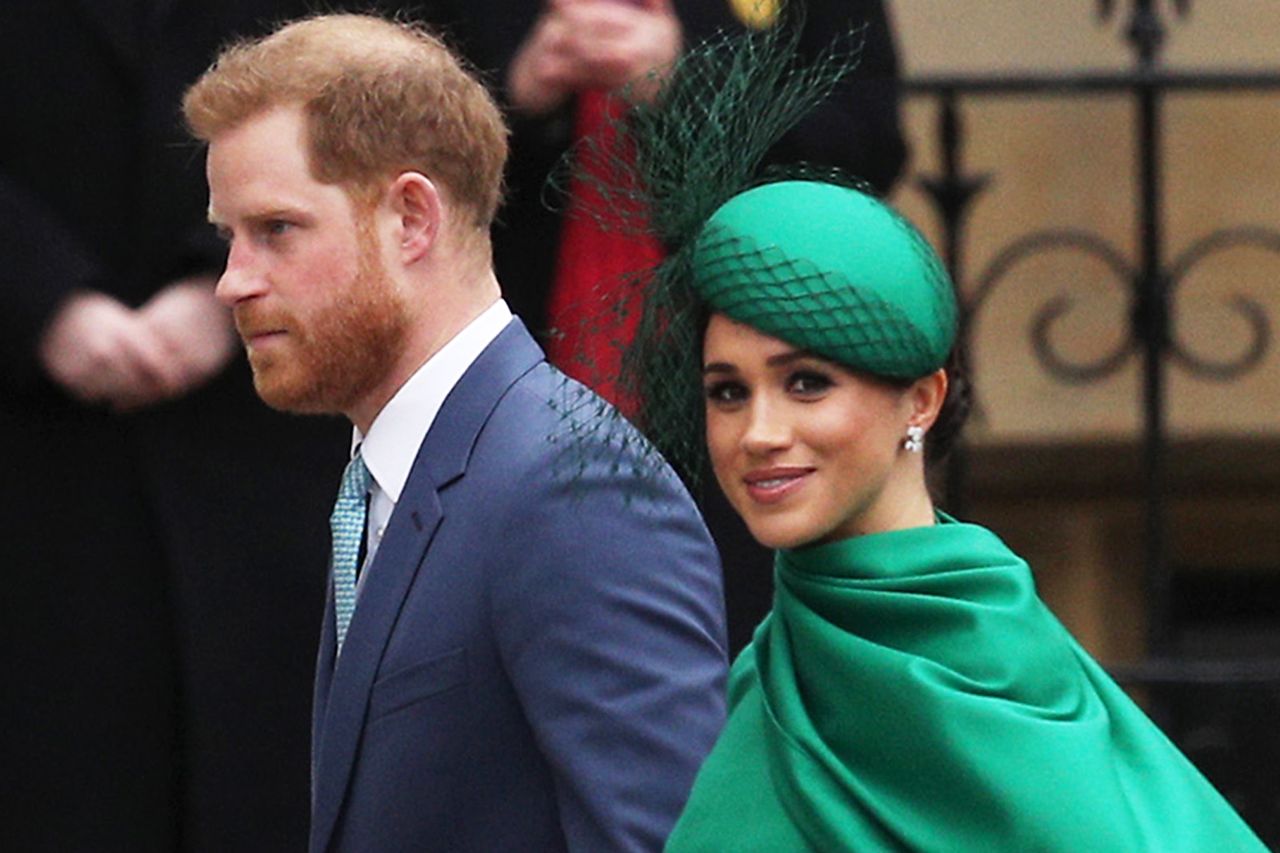
Prince Harry and Meghan Markle attend the annual Commonwealth Day Service at Westminster Abbey on March 9, 2020Credit: Dan Kitwood/Getty
The conversation also explores how Harry processed his mother’s death and the difficulty he experienced accepting that she was gone.
He recalls that, even years after Diana died, part of him believed she might one day return.
“I believed that she had created this exit to get away from all the things that were destroying her life and that she was gonna reenter the fray in some disguise and then whisk me and my brother away,” he says.
O’Connor explains how the brain’s attachment to a loved one can persist after their death, making it difficult to fully grasp their absence.
“When we bond with someone, when we fall in love with our spouse, or you fall in love with your baby, that’s actually encoded in the brain as a ‘we’ that says, ‘I will always be here for you, and you will always be here for me,’ ” she explains.
“And so when a loved one dies, that is not evidence for the brain to give up that they are everlasting. We still believe that they are out there, that they are just lost, that we need to find them, that we yearn for them because we still expect that they’re gonna walk through the door,” she continues. “You’re not crazy. It’s an important part of your brain that holds attachment-bonded relationships together by believing they’re out there.”
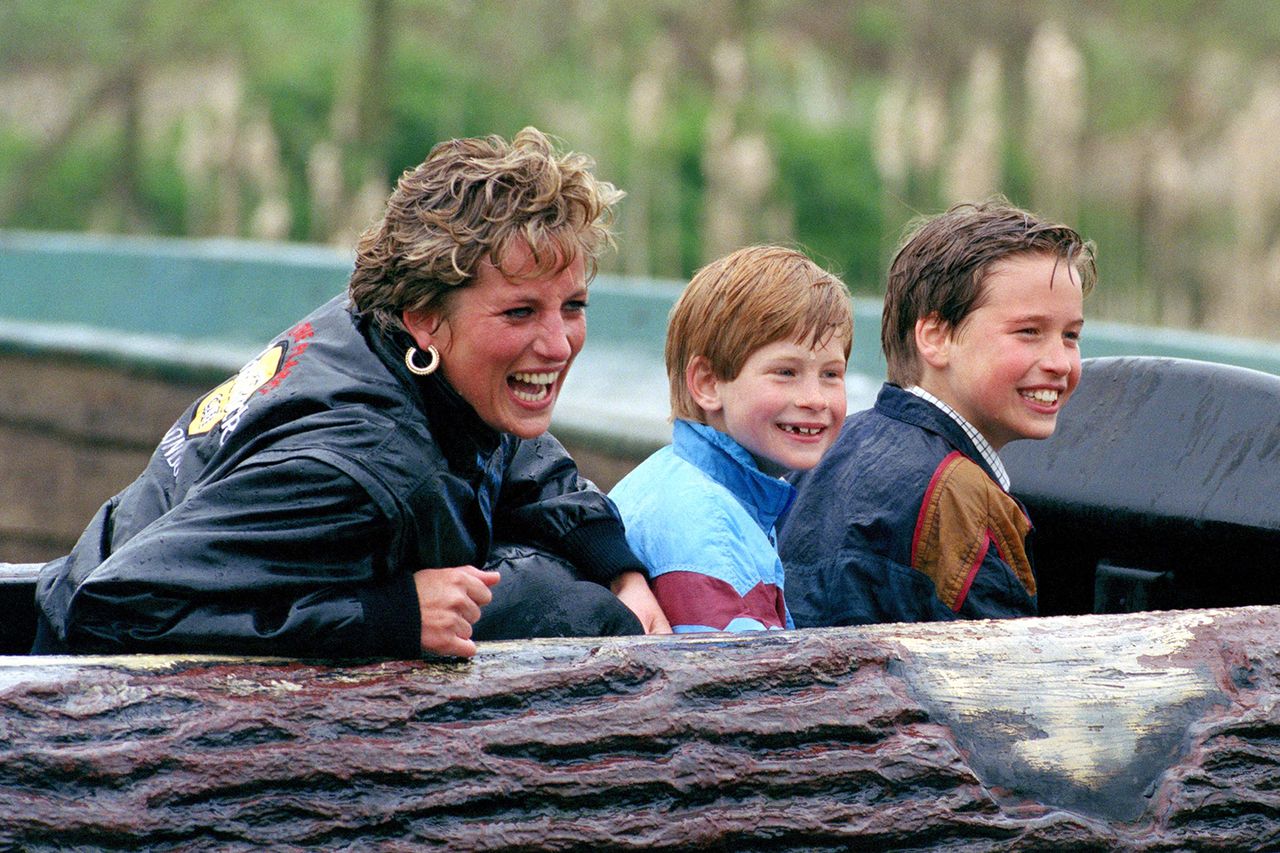
Princess Diana, Prince Harry and Prince William visit Thorpe Park amusement park on April 13, 1993Credit: Julian Parker/UK Press via Getty
For Harry, the journey toward healing also meant confronting the guilt he felt about finding happiness without his mother.
“I’d spent so long emotionally numb, to a large extent, because I felt disloyal and guilty for the possibility of being happy and joyful without her,” he shares. “I felt like I had to be sad and I had to be emotionally numb in order to prove to her that I missed her.”
Can’t get enough of PEOPLE’s Royals coverage? Sign up for our free Royals newsletter to get the latest updates on Kate Middleton, Meghan Markle and more!
But Harry says he eventually came to a realization that changed his outlook.
“But the reality is, what I discovered was actually that she just wanted me to be happy. And that was a huge mental shift for me. It freed me, and it gave me a whole different outlook on life.”
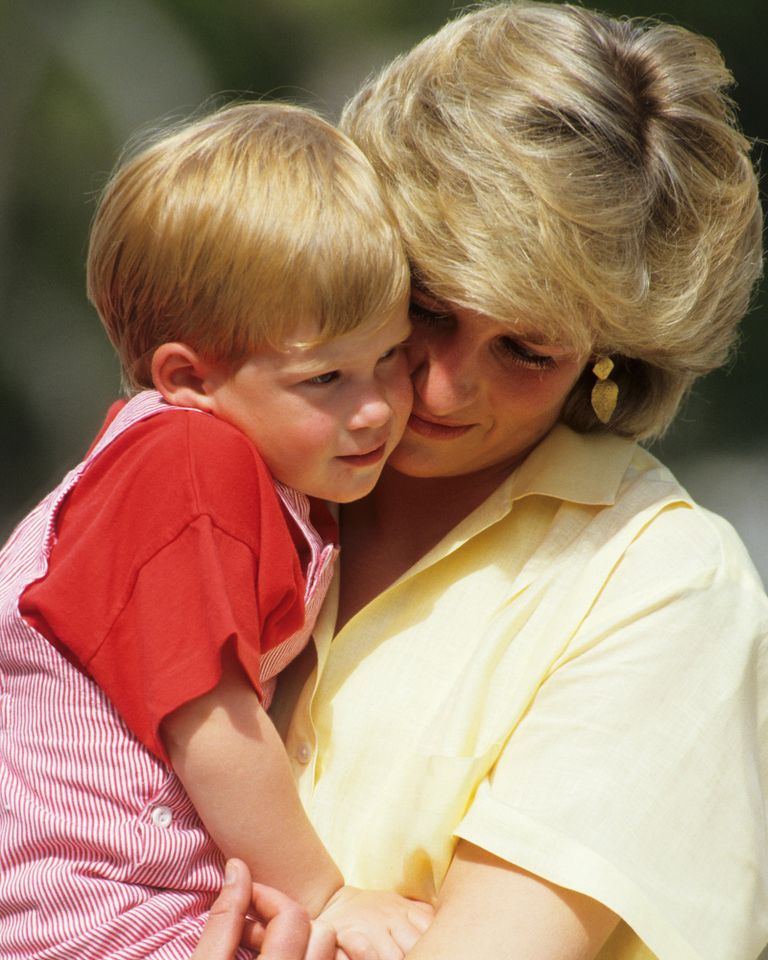
Prince Harry and Princess Diana on holiday in Majorca, Spain, on Aug. 10, 1987Credit: Georges De Keerle/Getty
“But the reality is, what I discovered was actually that she just wanted me to be happy. And that was a huge mental shift for me. It freed me, and it gave me a whole different outlook on life.”
Today, Harry says his charitable work has given him a meaningful way to carry Diana’s legacy forward.
“Everything I do, everything I put my energy towards, I hope that my mother will be proud about it,” he says. “Trying to continue and protect her legacy, what I didn’t realize was the work that I ended up choosing, or the work that I ended up getting drawn in and attracted to, was so similar to the work that she was doing.”
“With grief comes this, it’s not so much responsibility, but this carrying of the person that you’ve lost throughout your life,” he adds. “There is an element of carrying my mother in me that ultimately energizes me for the work that I do.”
on People
Source: “AOL Entertainment”
